
KNF Chicken Science
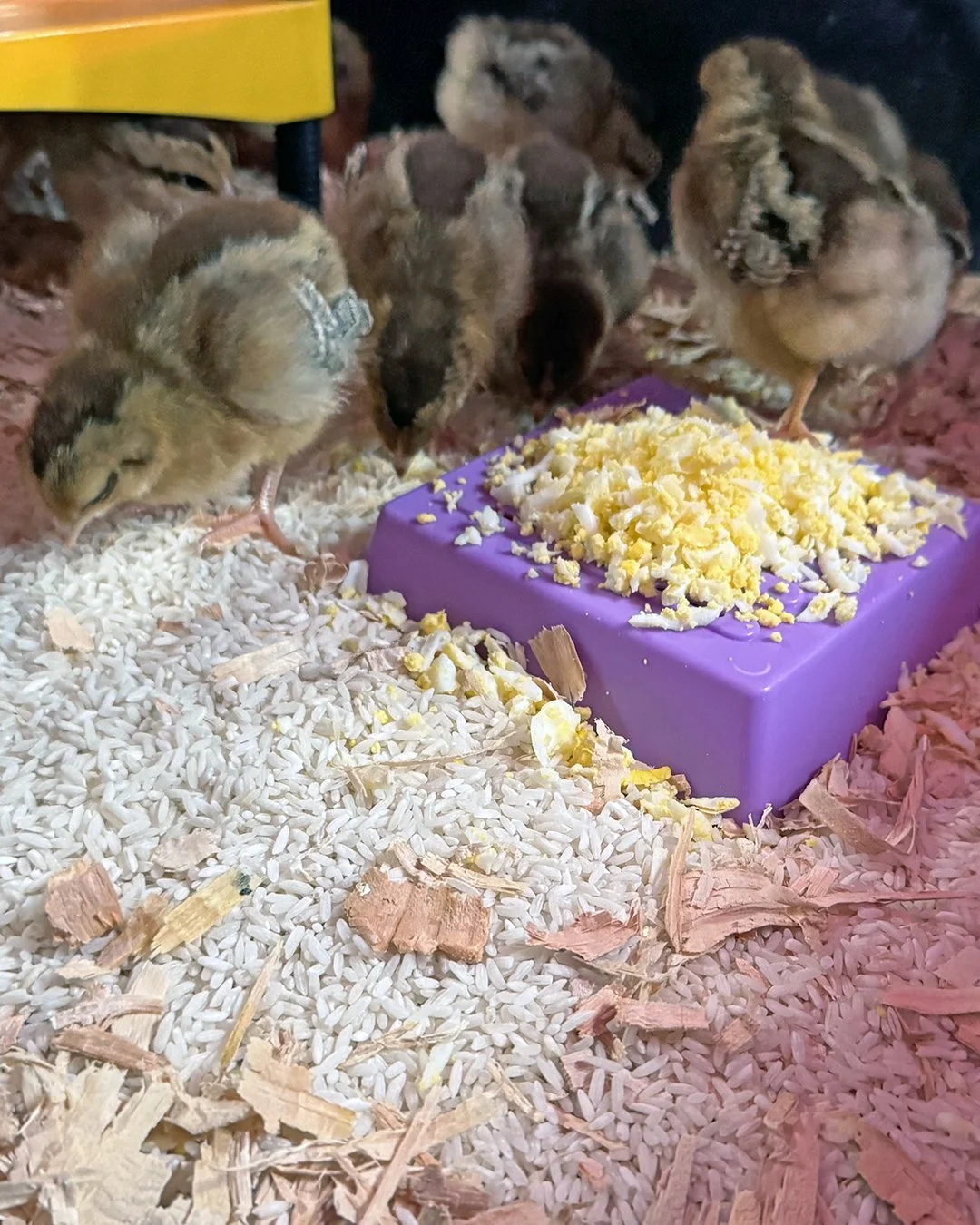
I’m no expert, but I’m totally getting the hang of this KNF chicken protocol. [KNF Chicken Protocol is a poultry-raising approach based on Korean Natural Farming principles, using fermented natural inputs, beneficial microbes, and careful management to support flock health while reducing odors, waste, and reliance on synthetic products. In its purest form it’s designed to create a more self-sustaining, biologically active environment for chickens. Since our birds are on pasture, we focus on the feeding regimen to build strong digestive systems and use LAB in the brooder boxes. Then rotational grazing principles take over.] We’ve added Welsummer chickens to our flock - a breed of curious birds that are active foragers, lay dark brown eggs and handle both heat and cold better than most. Coupled with digestive strength training, we think they’ll be a solid addition to our flock of tiny tractors.
Here’s how it works
Prep work: Set up a brooder to have water at one end of the bin and a brooder plate at the other. This encourages the peeps to exercise and build strong legs. Set out uncooked brown rice the day before and let it warm by the heat lamp. Mix up chick water (non-chlorinated water plus an alphabet of fermented inputs made from plants and vinegar) so you have a supply ready to go.
On arrival - Dip baby beaks in the chick water solution and once they’ve swallowed, place them on the pile of brown rice. Watch to see that they aren’t huddled together (too cold) or running to the perimeter of the brooder (too hot). They should be active and quietly peeping, exploring their new space.
Day 1-3 - Change out water daily, keep rice well stocked. Feeding freshly hatched chicks an unlimited supply of whole brown rice helps them expand their digestive tracts and double the length of their intestines, making it easier for them to digest grasses and other forage. Continue to observe for temp changes, odd behavior, signs of illness or injury.
Day 3-10 - Two hours before sunset, place finely shredded hard boiled egg on a plate in the brooder and let them consume as much as they can in 5 minutes. Replace the egg with finely chopped bamboo leaves, and let them peck at this for another few minutes, then remove. Why? The egg provides high protein and essential amino acids to help them grow. Giving them a sweet grass like bamboo at the end of the meal is a treat that encourages them to eat more green things instead of waiting for commercial feed. And feeding them in the evening encourages them to explore all day rather than wait for food to come to them. Keep rice well-stocked and chick water fresh.
Day 11 - Transition to organic starter mash.
More on this later. Stay tuned!